
Bulls Zone 117- The Cumbersome Bulls
After ending the season 42-40, Bulls brass decide to take a unscheduled post game interview on what their thoughts were on the season, and what to expect as a Bulls fan moving forward. Josh Vinson is back on the show to discuss the developments and give an inside view on what it was like to […]
Bulls Zone 115- Uhhh Playoffs? (Podcast)
The Bulls are now barely in the playoff picture. On this episode we discuss the season moving forward, the playoff matchup best suited for the Bulls and what’s best for this team moving into the offseason. For more on The Bulls Zone check them out at ChiBullsZone or follow them on Twitter at @TheBullsZone
Bulls Zone 114- Reassessing Expectations (Podcast)
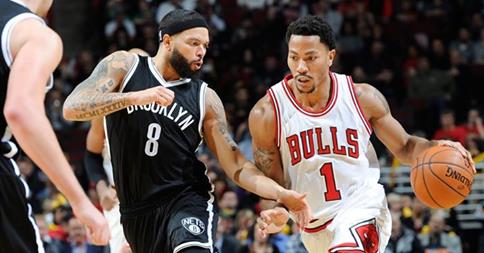
We recap the Bulls win over the Cavs. Debate which Derrick we like, the attacking PG or the PG that looks to distribute and get teammates involved. What will the Bulls do moving forward and what will be a successful season for Chicago, knowing their ultimate fate will not be winning a title this year. […]
Bulls Zone 111- Unwanted Leadership (Podcast)
Jimmy Butler wants to be a leader, but is anyone following? DRose stats after losing the mask, how to fix this team, and more is discussed on this episode. For more on The Bulls Zone check them out at ChiBullsZone or follow them on Twitter at @TheBullsZone
Bulls Zone 110- We’re Going Streaking!! (Podcast)
Bulls are on a two game winning streak, with a possibility to build off it with their upcoming schedule. Trade talk is once again a topic, as well as rotations, and starting lineup changes. A case is made for Jo to get more than 25 minutes a game. For more on The Bulls Zone check […]
Bulls Zone 109- So this is Hoiball? (Podcast)
We dissect the season so far for this “new” look Bulls team. Discuss what could help fix the current issues this team faces as well as possible trades that may help out this roster. For more on The Bulls Zone check them out at ChiBullsZone or follow them on Twitter at @TheBullsZone
Bulls Zone 106- New Season and a New Era
The Bulls kick off another season of basketball and we are back. Giving you a run down on the beginning of the preseason, as well as the supposed feud between Rose and Jimmy. We also dive into our outlook on rotations and what is to come of the Bulls this upcoming season. For more on […]
Bulls Zone 105- Bobby Portis Debut
Dylan Connolly joins the Bulls Zone to discuss all things Bobby Portis, from his high school days on up to his Summer League Debut. Also, a slight look back into last season and expectations for Hoiberg. For more on The Bulls Zone check them out at ChiBullsZone or follow them on Twitter at @TheBullsZone
Bulls Zone 104- Like We Never Left
We catchup on some much needed Bulls talk. Thibs vs Hoiberg, our thoughts on Bobby Portis, as well as discussing Jimmy & Dunleavy’s return. We also talk about Free Agency and what to expect this upcoming season from Chicago. For more on The Bulls Zone check them out at ChiBullsZone or follow them on Twitter […]
Bulls Zone 101- Buzzer Beaters
Full recap of Games 3 & 4 For more on The Bulls Zone check them out at ChiBullsZone or follow them on Twitter at @TheBullsZone